The Impact of Probate on Heirlooms and Sentimental Assets
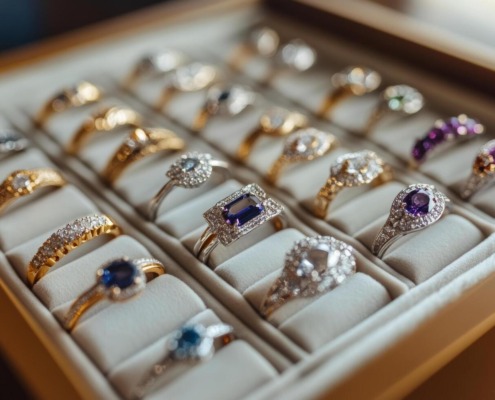 When a loved one passes away, their estate often includes more than bank accounts, real estate, and investments. Many families also need to decide what will happen to heirlooms and sentimental items — things like jewelry, photo albums, antiques, family furniture, or keepsakes passed down through generations.
While these items may not have a high market value, they carry deep emotional meaning. Unfortunately, the probate process can make dividing them complicated. Understanding how probate affects heirlooms can help you avoid disputes and protect your family’s history.
Article Summary
- Why heirlooms often cause disputes
- How probate handles personal property
- The role of an inventory in probate
- What happens if heirlooms aren’t mentioned in a will
- Emotional vs. monetary value of assets
- Strategies to prevent conflict over heirlooms
- What happens if disputes arise
- How a Milwaukee probate lawyer can help
1. Why Heirlooms Often Cause Disputes
Unlike money or property that can be divided evenly, heirlooms are unique. You can’t split a wedding ring in half or make a duplicate of a handmade quilt that’s been in the family for a century.
When multiple family members want the same item, emotions can run high. Even families that get along well may find themselves in arguments when sentimental attachments clash. This is why many disputes in probate court are not about financial assets, but about cherished personal property.
To avoid these problems, many families find it helpful to get guidance early. See choosing the right probate lawyer for tips on finding legal help that can protect family relationships during the process.
2. How Probate Handles Personal Property
Probate is the legal process of settling a person’s estate after they pass away. If there’s a will, it should list how property — including personal items — will be distributed. The personal representative is responsible for following those instructions.
If there is no will, state laws determine who inherits the deceased’s property. This includes both valuable assets and personal belongings. Without written instructions, the personal representative may have to decide who gets each item, which can create tension among heirs.
An experienced Milwaukee probate attorney can help guide personal representatives through this process to minimize conflict and follow legal requirements.
3. The Role of an Inventory in Probate
In Wisconsin probate, the personal representative must prepare an inventory of the deceased person’s assets. This list includes personal property, such as:
- Jewelry
- Furniture
- Artwork
- Antiques
- Collectibles
- Family mementos
For valuable items, appraisals may be required. While sentimental items may not be worth much in dollars, they are still part of the estate and must be accounted for. This inventory becomes the official record for how the estate’s assets are valued and distributed.
Having an accurate inventory can also help prevent misunderstandings. Families who know exactly what items exist may be better prepared to reach fair agreements.
4. When the Will Doesn’t Mention Heirlooms
Even when there’s a will, it may not list every personal item. Many wills only address major assets and leave “the rest” to be divided among heirs. This can lead to disagreements about specific heirlooms.
Some people create a separate personal property memorandum that lists items and who should receive them. In Wisconsin, if referenced in the will, this type of list can help avoid confusion. Without such a list, the personal representative must make decisions, which can put them in a difficult position.
Conflicts over missing instructions are one of the most common probate mistakes families encounter — and can often be avoided with careful planning.
5. Emotional Value vs. Monetary Value
One of the challenges with heirlooms is that their emotional value often outweighs their market value. A well-used kitchen table might be worth very little to an appraiser but mean everything to the family because it’s where generations gathered for meals.
Probate law doesn’t measure sentimental worth. This means decisions about heirlooms are often left to negotiation between heirs — unless the will is specific about who should receive them.
This difference between emotional and financial value can cause rifts. A simple item, like a set of holiday ornaments, can become the source of conflict if more than one person has memories tied to it. Talking through these values with family in advance is often the best way to prevent surprises later on.
6. Strategies to Prevent Conflict
The best way to protect heirlooms is to make a plan before probate starts. This can include:
- Creating a detailed will or trust that lists specific items and their recipients
- Discussing your wishes with family members while you are still able
- Using a personal property memorandum for smaller items
- Holding family meetings to resolve disputes in advance
Families who plan early often find probate goes more smoothly. A Milwaukee probate lawyer can help you structure these plans so they are legally enforceable and reflect your intentions. They can also suggest creative solutions, like rotating keepsakes among siblings or setting up agreements for shared items, which can preserve harmony in the family.
7. What Happens if Disputes Arise
 If family members cannot agree on who should receive a certain item, the probate court may step in. In some cases, items may be sold and the proceeds divided among the heirs. While this is fair in terms of value, it can mean losing a meaningful piece of family history.
Families facing this situation may benefit from probate mediation. Mediation can help resolve conflicts more quickly and preserve relationships by finding compromises outside the courtroom. For many families, this approach allows heirlooms to remain in the family instead of being sold off.
8. How Fricker Law Can Help
At Fricker Law in Milwaukee, we understand that heirlooms are more than just possessions — they are part of your family’s story. Our team helps clients create estate plans that protect sentimental assets and ensure they are passed on according to your wishes.
We know that probate is about more than dividing property — it’s about honoring a loved one’s memory and maintaining family bonds. That’s why we approach every case with compassion and the goal of reducing stress for everyone involved.
Call Fricker Law today to get guidance from a trusted Milwaukee probate lawyer who can help you preserve your loved one’s legacy while keeping the probate process manageable.

By Attorney Robert Fricker, Owner of Fricker Law
Specializing in probate law, Attorney Robert Fricker offers a range of services from wills and trusts to real estate matters and elder law. He brings decades of experience to the table, ensuring that each client receives reliable advice and quick resolution to their case. Fricker Law Office is a family legal practice that has been providing services to clients in Milwaukee and Waukesha counties for over 65 years.